Friday, 28 September 2012

Thursday, 20 September 2012
Existing Film Research
We have researched and analysed a variety of different existing films - exploring different genres where some specific scenes are based around similar events that relate to the ideas of our film we will be creating. When first looking for a similar film we looked mainly at the thriller and crime genre films - our first instinct was to observe the torture scene in the film Reservoir Dogs; this scene was very inspiring as we could absorb a whole range of different factors such as lighting, sound and camera work. We also looked into several other films - these being Taken, Dead Man's Shoes, Stormbreaker and Iron Man. As a group we found all of these films influential in different areas. These are the researched films that our group will be analysing for different scenes of our film:

Iron Man - I will be analysing a scene from Iron Man: this has inspired us for the beginning of our film, which will start by the recording of the ransom video by the terrorists.

Taken - This film will be analysed by Alex. We found this film's kidnapping scene very influential - giving us a concept of what we can achieve and use for this scene.

Reservoir Dogs - The torture scene from this film gave us great insight into how we could perform the torture scene in our own film. Ed will be analysing this film.
Looking at the costumes, it again relates to our film. We look to create a resemblance of the stereotypical terrorists: wearing scruffy clothing and rags with their faces hidden through bandannas and balaclavas. This creates mystery, who are these people? Through the use of effective costumes we can elevate the feeling of intimidation - not only will the main character be feeling uneasy, but so will the audience. The props will reinforce this feeling. The terrorists in the Iron Man scene are equipped with heavy-duty firearms, this tells the audience that they are not fooling around. In our own film we will be using replica guns for this scene - this will increase the sense of reality and create a much more powerful atmosphere to the harshness of this scene.
The camera work used has also helped us. Many point-of-view shots are involved, letting the audience see what Tony Stark is looking at. We are put in his shoes and from this can interpret how he is feeling. Similarly, we will be doing the same; by using a number of P-O-V shots we can involve the audience and make them absorb the feelings of the hostage in distress. More camera techniques will be used such as close ups, focus pulls and zooms: these will all be used to portray different feelings to the audience. Close ups will be used when focusing on objects - this guides and focuses all of the audience's attention to what is important in the scene, for instance, a close up to show the hostages expression which conveys emotions to the audience. In addition, focus pulls will be used to change the focus from object to object - this again guides the attention of the audience, however, in an effective subliminal way. Zooms will be used to change the perspective of the scene. For example, a close up of the hostages face will be followed by zooming out to show that the situation is much bigger than the audience thinks. This technique will also give the audience more information about what is happening in the scene.

Iron Man - I will be analysing a scene from Iron Man: this has inspired us for the beginning of our film, which will start by the recording of the ransom video by the terrorists.

Taken - This film will be analysed by Alex. We found this film's kidnapping scene very influential - giving us a concept of what we can achieve and use for this scene.
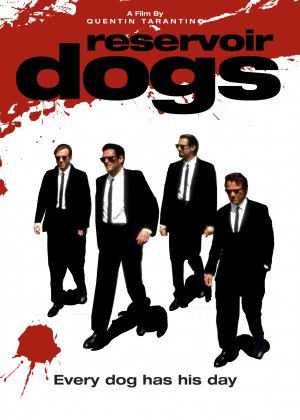
Reservoir Dogs - The torture scene from this film gave us great insight into how we could perform the torture scene in our own film. Ed will be analysing this film.
Iron Man
The film Iron Man has a very similar genre to our film - this being crime, terrorism and thriller - however, explores it in a different way due to the general narrative of the film. On the other hand, a scene that links almost perfectly with the ideas of our own film is the ransom video scene. This scene is exactly how we portrayed our own scene - enabling us to be greatly inspired through its conventions of media. Firstly, I have looked at the mise-en-scene used. The low key lighting used throughout all of the ransom video scene creates a strong and harsh atmosphere as the main character (Tony Stark) becomes in realisation of the critical situation he is in. This is the same atmosphere we look to convey: the main character in our film has been kidnapped and is being held for ransom, his feelings of vulnerability and inferiority needs to be shown through the low key light as darkness shows the coldness, harshness and loneliness of the situation he is in.Looking at the costumes, it again relates to our film. We look to create a resemblance of the stereotypical terrorists: wearing scruffy clothing and rags with their faces hidden through bandannas and balaclavas. This creates mystery, who are these people? Through the use of effective costumes we can elevate the feeling of intimidation - not only will the main character be feeling uneasy, but so will the audience. The props will reinforce this feeling. The terrorists in the Iron Man scene are equipped with heavy-duty firearms, this tells the audience that they are not fooling around. In our own film we will be using replica guns for this scene - this will increase the sense of reality and create a much more powerful atmosphere to the harshness of this scene.
The camera work used has also helped us. Many point-of-view shots are involved, letting the audience see what Tony Stark is looking at. We are put in his shoes and from this can interpret how he is feeling. Similarly, we will be doing the same; by using a number of P-O-V shots we can involve the audience and make them absorb the feelings of the hostage in distress. More camera techniques will be used such as close ups, focus pulls and zooms: these will all be used to portray different feelings to the audience. Close ups will be used when focusing on objects - this guides and focuses all of the audience's attention to what is important in the scene, for instance, a close up to show the hostages expression which conveys emotions to the audience. In addition, focus pulls will be used to change the focus from object to object - this again guides the attention of the audience, however, in an effective subliminal way. Zooms will be used to change the perspective of the scene. For example, a close up of the hostages face will be followed by zooming out to show that the situation is much bigger than the audience thinks. This technique will also give the audience more information about what is happening in the scene.
Wednesday, 19 September 2012
Tuesday, 18 September 2012
Film Research Prezi
Here is our presentation of film research and beginning concepts for our film. We have explored most of the media conventions such as mise-en-scene, editing and camerawork - while also displaying the inspiring existing films which have strongly influenced us for ideas in our own film.
Sunday, 16 September 2012
Genre Research
The very first stage of creating a film would be to choose a genre. Deciding on a film genre may be seen as simple task, despite this, it is important to conduct research into what genres appeal to your audience, and also the capability of creating a film with that genre, as an amateur film maker. As there are no requirements for what genre type we needed, we were able explore a range of all the genres. Here is a list of the film genres:
Action Adventure Drama Science Fiction and Fantasy
Animation Family Sport
Biopics Horror Thriller
Bollywood Music Documentary War Films
Comedy Musical Westerns
Crime Period and Historical World Cinema
Documentary Romance
Scanning through this list we immediately knew there would be many genres that we would not attempt in doing. We could then narrow down this list to give a reasonable choice of genres that we would be able to create a film around. Here is our selected list:
I conducted further research around these selected genres to gain a better direction towards the genre we would choose. Asking a range of participants and volunteers I could gain a lot of information about what the most enjoyed genres are.
By creating and distributing a questionnaire through random sampling I could receive feedback on what the most enjoyed film genre is, and why the participants enjoy it, and also what the least preferred genre is.

Collecting this data would give me information about audiences and will considerably affect our decision on what genre to use for our own film. We will have to evaluate all the pros and cons and decide what the most suitable genre will be. Here is a considerably accurate graph of the results of the questionnaire feedback; this shows the totalled result percentages of each favourite genre:

It is clear that the top three enjoyed genres are Thriller, Comedy and Crime. This will have a big affect on the decision of what genre to use in our own film.
Action Adventure Drama Science Fiction and Fantasy
Animation Family Sport
Biopics Horror Thriller
Bollywood Music Documentary War Films
Comedy Musical Westerns
Crime Period and Historical World Cinema
Documentary Romance
Scanning through this list we immediately knew there would be many genres that we would not attempt in doing. We could then narrow down this list to give a reasonable choice of genres that we would be able to create a film around. Here is our selected list:
Action Adventure
Comedy
Crime
Horror
Romance
Thriller
I conducted further research around these selected genres to gain a better direction towards the genre we would choose. Asking a range of participants and volunteers I could gain a lot of information about what the most enjoyed genres are.
By creating and distributing a questionnaire through random sampling I could receive feedback on what the most enjoyed film genre is, and why the participants enjoy it, and also what the least preferred genre is.

Collecting this data would give me information about audiences and will considerably affect our decision on what genre to use for our own film. We will have to evaluate all the pros and cons and decide what the most suitable genre will be. Here is a considerably accurate graph of the results of the questionnaire feedback; this shows the totalled result percentages of each favourite genre:

Friday, 14 September 2012
A2 Film Project Analysis
Through researching previous A2 film projects I have achieved a greater insight into what the A2 course will be about. Out of the two film projects - 'Til Death Us Do Part' by Melissa Moore and 'Prophecy' by Mudessar Ali - I found 'Prophecy' to be most exciting, intriguing and well made out of the two films. From the unusual, yet effective use of camera work, mise-en scene and soundtrack I could feel the emotion being conveyed within the film - this effectively keeps the audience focused while still on edge.
There is a brilliant use of mise-en-scene in this film. Firstly, the low key lighting used creates a mysterious atmosphere through the continuous use of shadows being created; there is a blatant sense that something bad is about to happen - 'but what?' the audience asks themselves - this makes them feel uneasy, on edge, yet excited at the same time. The best factor of mise-en-scene used within this film would have to be the spectacular use of the singular prop - the car. In this scene we can see a hit and run, where the car smashes into the main character and kills him. This is where his 'ghost' or 'spirit' comes back, however he now realises his life and relationship with his younger brother, Ali, is now over. Using the car as a prop in this short film we can see how it is made much more realistic and extremely dramatic - the sudden shot of a car smashing into a man surprises and shocks the audience, in this jaw dropping scene.


The camera work in this film is also nicely used. Once again, the emotions created in the car accident scene are reinforced by the effective use of camera work; the positioning of the main characters distorted body lying in the centre of the frame gathers all the audience's focus - we can see that the main character is fatally injured and helpless - we, as an audience feel sad and sorry for him. Another use of camera work would be the point-of-view shots. When the main character stumbles into the kitchen in search for his brother, a point-of-view shot is used. This marks the characters confusion as he looks around where he notices a note written by his brother. Again a P-O-V shot is repeated when he reads the note; the audience are put in his shoes as a voiceover of his brother reads out the run-away note. As an audience an insight to what he may be feeling is created, this being guilt and loneliness.


The soundtrack within this film is also very important. Following on from the previous point, the voiceover that has been used when the character reads his brothers note is extremely effective in portraying the character's guilt. As his brother is of a very young age his voice sounds sensitive and vulnerable, this not only pulls on the heart strings of the character, but also the audience. In addition, much of the soundtrack used is slow and sad. Slow tempos combined with softness and quietness evokes the feelings of sadness throughout the scenes. This occuring music is introduced after the car accident: as he comes back and realises his life and family are precious, the combination of the music states a powerful epiphany.
There is a brilliant use of mise-en-scene in this film. Firstly, the low key lighting used creates a mysterious atmosphere through the continuous use of shadows being created; there is a blatant sense that something bad is about to happen - 'but what?' the audience asks themselves - this makes them feel uneasy, on edge, yet excited at the same time. The best factor of mise-en-scene used within this film would have to be the spectacular use of the singular prop - the car. In this scene we can see a hit and run, where the car smashes into the main character and kills him. This is where his 'ghost' or 'spirit' comes back, however he now realises his life and relationship with his younger brother, Ali, is now over. Using the car as a prop in this short film we can see how it is made much more realistic and extremely dramatic - the sudden shot of a car smashing into a man surprises and shocks the audience, in this jaw dropping scene.


The camera work in this film is also nicely used. Once again, the emotions created in the car accident scene are reinforced by the effective use of camera work; the positioning of the main characters distorted body lying in the centre of the frame gathers all the audience's focus - we can see that the main character is fatally injured and helpless - we, as an audience feel sad and sorry for him. Another use of camera work would be the point-of-view shots. When the main character stumbles into the kitchen in search for his brother, a point-of-view shot is used. This marks the characters confusion as he looks around where he notices a note written by his brother. Again a P-O-V shot is repeated when he reads the note; the audience are put in his shoes as a voiceover of his brother reads out the run-away note. As an audience an insight to what he may be feeling is created, this being guilt and loneliness.


The soundtrack within this film is also very important. Following on from the previous point, the voiceover that has been used when the character reads his brothers note is extremely effective in portraying the character's guilt. As his brother is of a very young age his voice sounds sensitive and vulnerable, this not only pulls on the heart strings of the character, but also the audience. In addition, much of the soundtrack used is slow and sad. Slow tempos combined with softness and quietness evokes the feelings of sadness throughout the scenes. This occuring music is introduced after the car accident: as he comes back and realises his life and family are precious, the combination of the music states a powerful epiphany.
Thursday, 13 September 2012
Tuesday, 11 September 2012
First Post..
Once again I am back, carrying on with my A Level Media Studies course; now by posting on my new A2 blog. With achieving a good grade at AS, my A2 journey through another exciting year of media can begin..
..to be continued.
Immediately.
..to be continued.
Immediately.
Subscribe to:
Comments (Atom)